
Author
 27 March 2020
Perspective
27 March 2020
Cyber Security – Spotting email scams linked to Covid-19
These scams take many forms and could be about insurance policies, pensions transfers, or high-return investment opportunities, including investments in crypto assets. Scammers are sophisticated, opportunistic and will try many things. They are also very likely to target the vulnerable so it is important to remain vigilant.
Our Communications
I want to make clear that you will never receive an email from us asking you to take action with your investments without first having discussed it with you fully and having provided you with a written recommendation detailing our rationale. If you are in any doubt about the content of an email from us, please telephone your Advisor before acting.
Likewise, we will never act upon an email from you requesting a change to your investments such as a withdrawal or encashment without first speaking directly with you, using the contact numbers that we hold for you on your file. When we contact you will recognise our office number, and our Advisor’s voice, and if there is still any doubt then we can arrange an on-line meeting via a means such as Skype, where you can actually see the Advisor on your computer screen.
‘Phishing’ Emails
We are aware that scammers are sending ‘phishing’ emails that try and trick users into clicking on a bad link. Once clicked, the user is sent to a suspect website which could download malware onto your computer, or steal passwords. The scammers may claim to have a ‘cure’ for the virus, offer a financial reward, or be encouraging you to donate.
Like many phishing scams, these emails are preying on real-world concerns to try and trick people into doing the wrong thing. We suggest you refer to UK Government’s National Cyber-Security Centre’s guidance (https://www.ncsc.gov.uk) on dealing with suspicious emails to learn more about spotting and dealing with phishing emails.
What to do if you have already clicked on a link
The most important thing to do is not to panic. There are number of practical steps you can take:
• Open your antivirus (AV) software if installed and run a full scan. Follow any instructions given
• If you’ve been tricked into providing your password, you should change your passwords on all your other accounts immediately
• If you’re using a work device, contact your IT department and let them know
• If you have lost money, you need to report it as a crime to Action Fraud. You can do this by visiting actionfraud.police.uk
If you have any concerns, please contact your Advisor by telephone or email in the usual way.
Stay safe in these challenging times, we are here to help, and if you are in any doubt about the validity of any correspondence from us, whether via phone, email or letter, simply pick up the phone. You can find our telephone numbers and email contacts here.
Best regards,
Ian Wilkinson
Group Managing Director
Client Email 26 March 2020 Cyber Security Update re Covid-19

Explore other topics
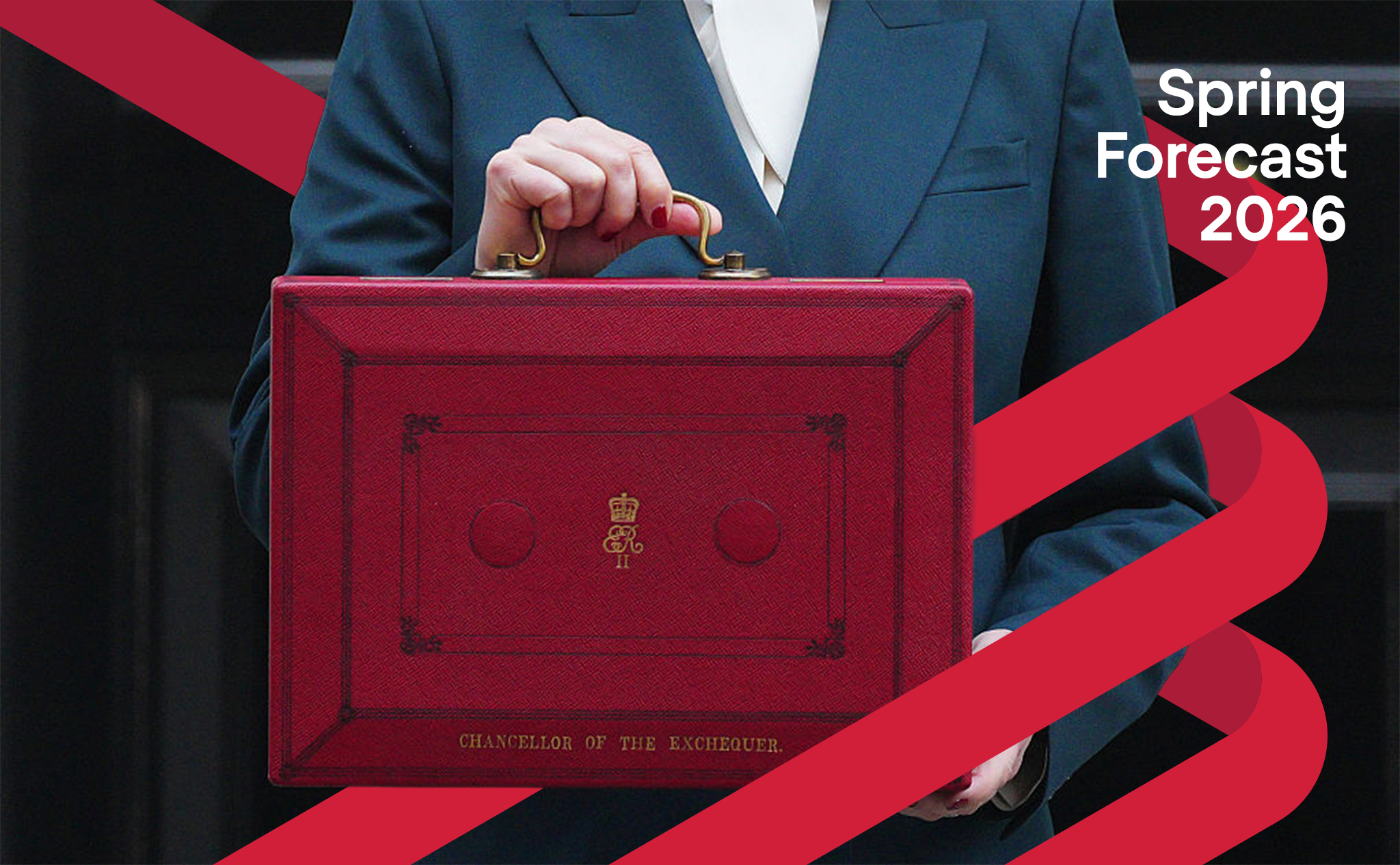
Spring Forecast 2026 Snapshot
The Chancellor of the Exchequer, Rachel Reeves, presented the Spring Forecast to the House of Commons on Tuesday, 3rd March 2026.

Unused Pension Pots After 2027? Here’s What You Need to Know About Estate and Pension Planning
Prior to last year’s Autumn Budget, much speculation centred around potential changes to the tax-free element of pensions.
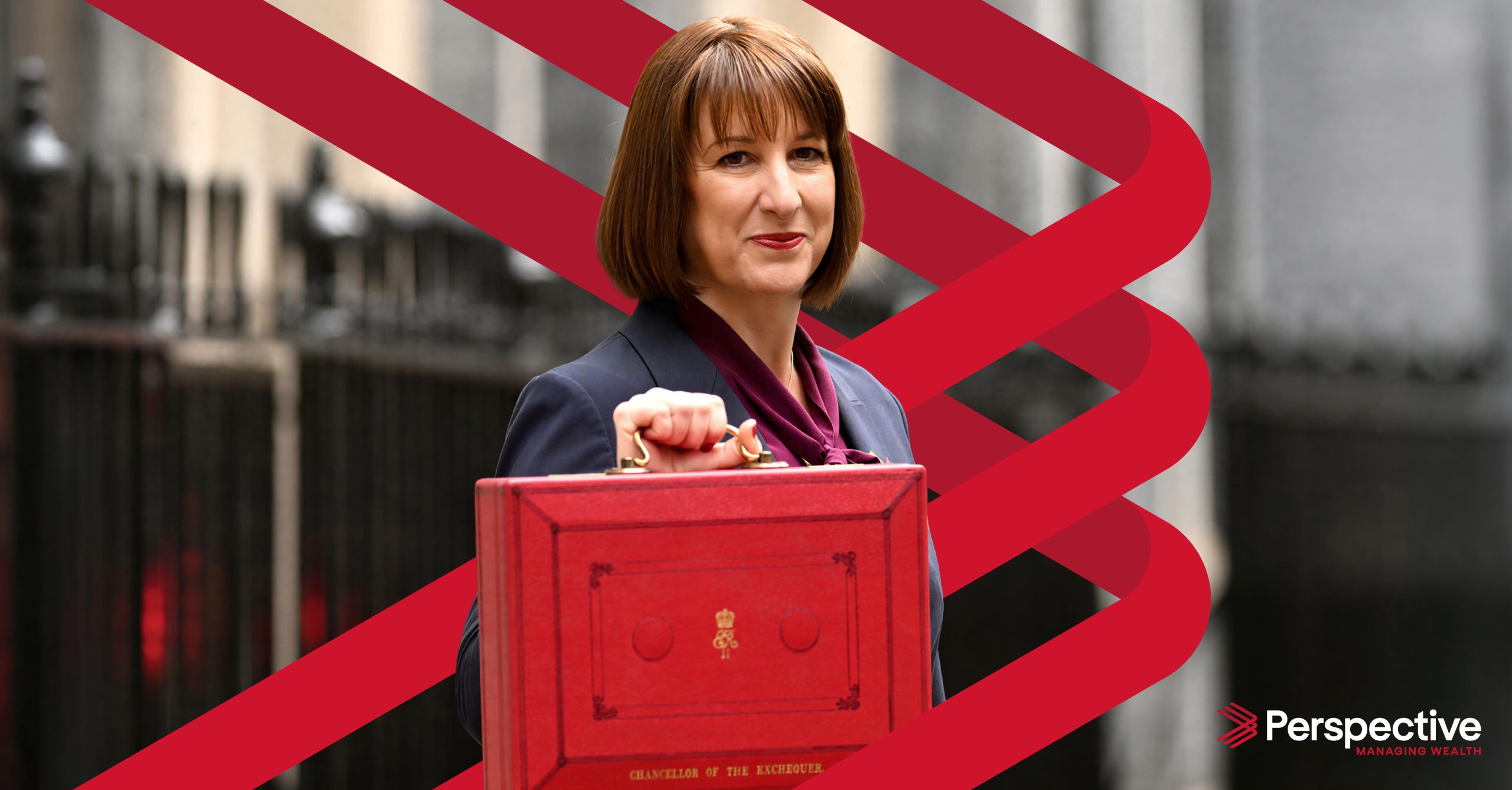
Autumn Budget Summary 2025
The Chancellor of the Exchequer, Rachel Reeves, presented the Budget statement to the House of Commons shortly after 12.30 this afternoon.

Budget 2024 Snapshot
PFGL budget snapshot 2024. The Chancellor of the Exchequer, Jeremy Hunt presented the Spring Budget to Parliament the 6th March.
What to do if we didn’t get something right
The information contained within the website is subject to the UK regulatory regime and is therefore primarily targeted at customers in the UK.
Should you have cause to complain, and you are not satisfied with our response to your complaint you may be able to refer it to the Financial Ombudsman Service, which can be contacted as follows:
Contact
The Financial Ombudsman Service, Exchange Tower, London, E14 9SR
Tel: 0800 023 4567 or 0300 123 9123